How to Choose the Best Skin Clinic in Mogappair for Advanced Aesthetic Treatments
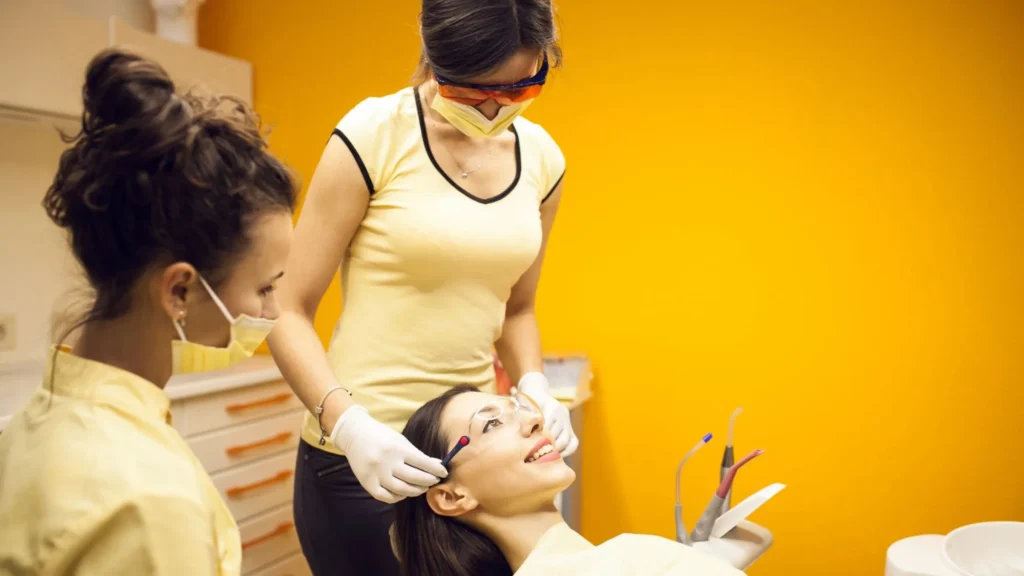
Quick answer: The best skin clinic in Mogappair will be one where your skin is assessed by a trained physician before making any recommendations, where you are told about the pros and cons of the different treatment options available, given realistic expectations and then followed up after the treatment. Treatments like laser treatments, peels, injectables and microneedling are all medical procedures, and that means the importance of the doctor who will assess you is greater than the equipment and the cost. There are numerous clinics for skin care, salons and even “aesthetic studios” in Mogappair, Anna Nagar, Nolambur, and Ambattur. While that might give you a lot of choices, it will also complicate the decision process for you. Here’s the guide to help you with everything. Why the Choice of Clinic Matters Any advanced aesthetic treatment is based on living skin cells. The correct and properly done chemical peel, laser procedure or fillers application will improve your skin if chosen and performed correctly. But a wrong choice and improper application will burn, scar or discolor your skin. For those who have Indian skin color, there is an extra concern in choosing a proper treatment technique. Medium- and dark-skinned people are at higher risk of developing post-inflammatory hyperpigmentation or dark spots due to inflammation and skin irritation. An environment that is right for light skin will do more harm to dark skin. 1. Check Who Will Assess and Treat You 2. Look for a Proper Consultation, Not a Sales Pitch A proper first visit ought to be akin to a medical visit. Things that a proper consultation entails: Red flags include being pressured into buying a big package right away, a treatment option for all concerns, and lack of side effect discussion. 3. Ask About Safety and Hygiene There are many things that can be learned by simply observing and asking questions. 4. Expect Honest Talk About Results Be wary of the terms “permanent,” “guaranteed,” or “100% results.” Usually, aesthetic results are different from patient to patient. For instance, laser hair removal reduces the growth of hair in multiple sessions, but it does not guarantee no hair at all. Conditions such as pigmentation like melasma might see an improvement and then revert, even with no exposure to sunlight. A reliable clinic will inform you about it prior to your payment. Just ask three basic questions: 5. Understand the Full Cost But the price of a single session is never enough information. Ask about the number of sessions required, consultation and evaluation fees, home care products, and maintenance sessions. Getting an estimate in writing is essential for comparing different clinics. You will find our write-up on the cost of a skin clinic in Chennai to be quite useful since it highlights various factors influencing the price. 6. Check the Range of Treatments The clinic that offers various options will always prescribe something that suits your requirements rather than prescribing something according to the equipment they possess. Some of the services offered at AMPPA Skin and Hair Clinic, Mogappair West, Chennai include chemical peels, microneedling RF, carbon peel laser, laser hair removal, HIFU and dermal fillers, and others. Having a comprehensive menu becomes useful only if you have a proper selection by the doctor. 7. Consider Location and Follow-Up Most treatment procedures require multiple visits and can be spread over weeks. A clinic that is located closer to home or workplace helps in scheduling appointments more effectively. Residents of Mogappair East/West, Nolambur, Anna Nagar, Ambattur, and Koyambedu will have to cover shorter distances for consultations in case of skin issues. 8. Read Reviews Wisely Online reviews do matter, but don’t pay attention to stars, notice what people write about explanation, truthfulness, follow up, not just “good result”. A single review is not a reason to worry about; several mentions of sales pressure or an unresponsive clinic after the procedure are signs. Frequently Asked Questions (FAQ) Q1: How do I choose a good skin clinic in Mogappair?Seek out a clinic that has an experienced doctor examine you first, explain what they will do, and provide realistic expectations and follow-up. Q2:Is a cosmetologist the same as a dermatologist?No, they might not be the same. A dermatologist is a medical doctor who specializes in skin diseases, while a cosmetologist could refer to someone at any level of training. Q3: What happens during a skin consultation?It entails the doctor asking about your problem and medical history, examination of the skin, explanation of probable causes, treatment options and procedures. Q4: Are laser and peel treatments safe for Indian skin?Yes, they can be safe if done with the proper technique and treatment and settings suited for the individual’s skin type. Dark skin is more prone to developing pigmentation after skin irritation. Q5:Should I buy a treatment package on my first visit?You do not have to. It is understandable to spend some time asking questions and comparing written estimates. Where is AMPPA Skin and Hair Clinic located? AMPPA Clinic is at 4/8, 2nd Floor, Nolambur Main Road, Mogappair West, Chennai 600037, above Walkway Shoes. Make an Informed Decision The ideal skin clinic is one that makes you more informed than hurried about your decision. If you would like a thorough checkup of your skin to help make your choice of treatment, we will be happy to have you visit AMPPA Skin & Hair Clinic, Mogappair West. [Book a Consultation] | Call +91 72004 00387 | Related Reading: How much does a skin clinic in Chennai cost – https://amppaclinic.com/skin-clinic-cost-chennai/ What will a skin specialist do? – https://amppaclinic.com/what-will-a-skin-specialist-do-mogappair/
Why Does Hair Fall Increase During the Monsoon in Chennai, and How Can You Control It?
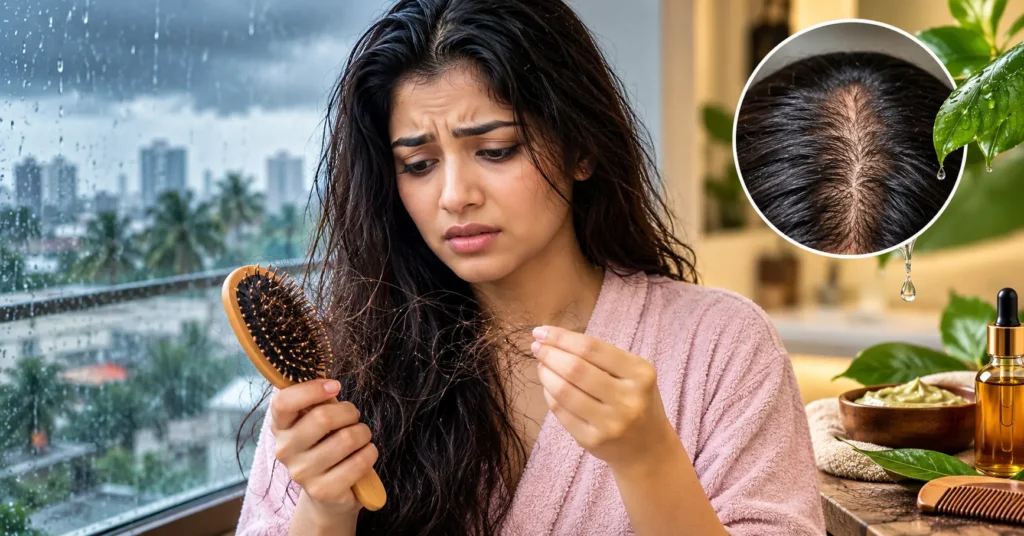
Quick answer: Hair loss becomes more noticeable during the monsoon season as excessive moisture, perspiration, wet hair, and a greasy and flaky scalp make hair weaker and cause irritation to the scalp. However, most of the hair loss that occurs due to the monsoon can be easily controlled with proper scalp maintenance and hair care. Hair loss that is profuse and itchy, along with patches of baldness, lasting two to three months, requires consultation with a dermatologist. Why Chennai’s Monsoon Hits Your Hair Differently For most places in India, the southwest monsoon season is the period during which the greatest rainfall takes place. However, Chennai is an exception to the rule; whereas the southwest monsoon season is relatively weak in Chennai, the rainfall that occurs during the northeast monsoon season from October to December is the greatest for the whole year. Taking into account that Chennai has humid coastal weather conditions and the fact that the hair fall season in Chennai begins in the fourth quarter of the year, one can only imagine how uncomfortable it is for the scalp to feel wet throughout the day. What Actually Causes Monsoon Hair Fall? According to dermatologists, the factors responsible for monsoon hair fall include many different elements. These elements may include humidity, perspiration, oily scalp, wet hair, outbreaks of dandruff, and weak hair shafts. 1. Humidity and an oily scalp High humidity in the monsoon results in increased sebum secretion. The excessive sebum combined with sweat and dirt leads to blockage of pores on the scalp. This results in limpness of hair and difficulty in managing it. 2. Dandruff and fungal infections An always-wet scalp is the perfect breeding ground for yeasts and fungi. Excessive moisture in the scalp results in fungal infections, which cause weakening of hair roots and increased hair fall. This is followed by itching, resulting in hair breakage due to scratching. 3. Breakage, not just root shedding Moisture makes hair fragile. It absorbs moisture from the environment that results in frizziness and breakage. The moisture needs time to evaporate from the hair. Most of the ‘excessive’ hair that falls on your comb during monsoons is actually broken hair and not hair that was shed from the roots. 4. Tying, covering, or combing wet hair Using caps or hoodies on moist hair weakens the hair strands. Using tight buns and aggressive combing in wet hair also causes breakage. 5. The monsoon doesn’t create hair loss on its own It is important to note this point here. Humidity, excessive oil, sweat, and infections in the scalp lead to increased shedding of hair, but the monsoon does not cause hair fall suddenly. In case you already have pattern baldness, thyroid problems, anaemia, or hair fall after some illness or stress, monsoon can simply make the problem more visible. Many blogs have been attributing the problem to lack of sunlight and vitamin D. While it might have an effect in some cases of hair fall, reduced sunlight in monsoon should not automatically be attributed to hair fall. Take tests before consuming any supplements. Is Monsoon Hair Fall Normal? The average person sheds about 50-100 hairs a day, and this is perfectly normal. Shedding, which is slightly increased during the rainy season and ends in about a month, is generally not a problem. But not all rainy season hair fall is because of the season. Loss of hair in patches, an infected scalp, itching, pus formation, excessive hair fall, widened parting, and hair fall that lasts more than two to three months need to be checked by a dermatologist. How to Control Hair Fall During the Monsoon: A Practical Routine Keep the scalp clean, not stripped. Keep your hair clean by washing it with mild shampoo more frequently if your scalp is oily and sweats a lot. In case of dandruff problems, consult your dermatologist regarding an anti-dandruff shampoo rather than trying new shampoos yourself. Dry your hair properly. In case of getting wet by rain, rinse your hair with water after reaching home and dry it completely. Never go to bed with wet hair. Make sure to use soft cotton towels and gently pat rather than scrub your hair. If you use a dryer, use cool or medium settings. Go easy on oiling Excessive oiling of the scalp during humid weather may increase your problem of dandruff and greasiness. If you apply oil, do it in moderation and remove it after some time. Comb gently Allow your hair to dry out first before brushing, and use a wide-toothed comb. Choose loose styles Stay away from tight ponytails, buns, or helmets on wet hair. Allow your hair to dry out before making it into a style. Support hair from the inside. Have adequate intake of proteins, iron, fruits and vegetables, and water even in cold weather conditions. Stay away from extreme diets in this season. Don’t start new treatments without advice. Stay away from chemical processes such as dyeing and strong homemade remedies in case of a flare-up during monsoon. When Should You See a Dermatologist in Mogappair? If any of these are happening, schedule a consultation: The dermatologist will then assess your scalp condition and whether there is any infection present, and also advise you to take a blood test if required. They will then be able to provide you with the treatment depending on the real problem; for example, medicated shampoo, antifungal, nutritional treatment, etc. Frequently Asked Questions (FAQ) Q1:Why does hair fall more in the rainy season?High humidity, sweating, and damp hair contribute to greasy hair, increasing the chances of dandruff and fungal infections. Wet hair becomes weaker and more likely to break, so you end up with more hair in your comb. Q2:How long does monsoon hair fall last?In most cases, mild hair fall during this season may improve after a few weeks since the climate and scalp will have settled. Hair fall that persists after two to three months requires medical attention. Q3:Can rainwater cause hair
What Will a Skin Specialist Do? A Mogappair Patient’s Guide to AMPPA Clinic
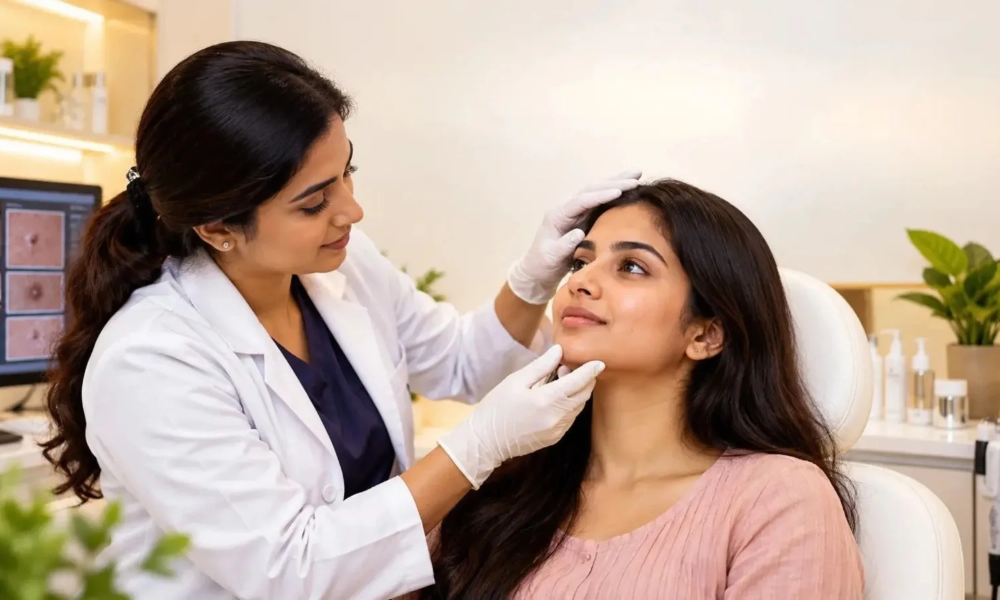
In Mogappair and Mogappair West, people search for “skin specialists near me” without really knowing what the first session entails. If you have a recurring problem with your skin, whether due to acne, rashes, hair loss, or simply want better skin health, knowledge of what a skin specialist really is may ease your mind about the upcoming appointment. Who Is a Skin Specialist (Dermatologist)? A skin specialist, more commonly referred to as a dermatologist, is a doctor who specializes in diagnosing and treating diseases that affect your skin, hair, nails, and other related tissues. In a skin specialty clinic such as the AMPPA Clinic in Mogappair West, a skin specialist not only focuses on the treatment but also on identifying the root cause of the problem. Signs You Should See a Skin Specialist in Mogappair Some of the common problems for which residents of Mogappair resort to a skin and hair clinic are: If you have any of these problems, you should consult a skin specialist at AMPPA Clinic. What Happens During a Skin Consultation at AMPPA Clinic 1. Discussing Your Medical History Usually, the initial steps involve a discussion about the skin and hair problems that you have been experiencing, the duration, your existing skin care or hair care regimen, any medications that you might be taking, and any information regarding the background. 2. A Thorough Skin or Scalp Examination Further, the next step is the evaluation of the affected region in detail by the specialist. For skin conditions, this includes evaluating the skin texture, pigmentation, and any lesions. For hair and scalp problems, it involves evaluating the hair density and scalp conditions. 3. Diagnosis and a Personalised Treatment Plan The skin expert explains the cause behind the problem based on your examination and suggests the most suitable treatment method considering the nature of your skin and lifestyle. It may include the use of topical treatment, medications, changes in lifestyle, or in-clinic procedures. 4. Guidance for Ongoing Skin Health However, a good consultation process does not only entail prescribing medication. Generally, skin experts give tips on the daily routine activities that will help improve skin conditions. Common Skin and Hair Treatments Offered by Specialists in Mogappair Some of the skin-related issues that are dealt with by skin experts in the Mogappair region, including the AMPPA Clinic, include: The treatment process varies depending on a personal examination; hence, it is important to seek advice from the clinic regarding the specific issue. Why Choose a Local Skin Specialist in Mogappair West The selection of a skin and hair clinic in proximity to your location, such as AMPPA Clinic located at Mogappair West, has its merits. Issues related to skin and hair usually require multiple visits so that one can monitor their progress in the same way. In addition, it would require less time spent on travelling when having consultations, doing patch tests, and other activities in relation to the Mogappair area. How to Prepare for Your First Visit Some preparation goes a long way: Final Thoughts The responsibility of a dermatologist is more than just suggesting the creams that could help you – it is about diagnosing your skin or hair problem at its core and helping you maintain an effective routine in the long run. If you are looking for a skin specialist in Mogappair or Mogappair West, AMPPA Clinic is an ideal choice close to your place. Frequently Asked Questions (FAQs) Q1:What does a skin specialist do in the first consultation?They review your medical and skincare history, examine your skin or scalp, and discuss a treatment approach suited to your specific concern. Q2:When should I see a dermatologist instead of trying home remedies? If a skin or hair issue persists for more than a few weeks, worsens, or is causing visible discomfort, it’s best to consult a skin specialist rather than relying on home remedies alone. Q3:Is a skin specialist the same as a dermatologist? Yes, “skin specialist” and “dermatologist” refer to the same type of doctor who diagnoses and treats skin, hair, and nail conditions. Q4:Does AMPPA Clinic in Mogappair treat hair fall as well as skin concerns?Yes, as a skin and hair clinic, AMPPA Clinic in Mogappair West addresses both skin conditions and hair and scalp concerns. Q5:How often should I visit a skin specialist for general skin health? This varies by individual, but many people benefit from a periodic check-up, especially if they have ongoing concerns like acne, pigmentation, or hair thinning. Your specialist can recommend a follow-up schedule based on your treatment. Q6:Do I need a referral to see a skin specialist in Mogappair? No, you can generally book a consultation directly with a skin and hair clinic like AMPPA Clinic without a referral. Dealing with a skin or hair concern you haven’t been able to resolve on your own? Book a consultation with the skin specialists at AMPPA Clinic, Mogappair West, and get a treatment plan built around your skin.
Hair Loss in Teenagers: What Causes It and How to Stop It | AMPPA Clinic Chennai
Hair fall is most common among adults in their forties and above, but dermatologists in India, particularly Chennai, have seen an alarming rise in teenagers experiencing hair fall and thinning. At the Dakshin Health Summit organized by South First in 2025, senior dermatologists talked about premature hair fall among teenagers, sometimes even indicating some hormonal or metabolic problems that need attention. If you see hair fall in your teenager, then do not ignore it, as there is something serious going on. In this article, we will talk about the possible reasons, signs, and management options for your teenager’s hair fall. Is Some Hair Shedding Normal During the Teen Years? Absolutely yes; it is necessary to state that first. On average, a human sheds around 50 to 100 hairs a day, which is normal. It might be considered a normal situation if some people notice an increased shedding amount after puberty. What is not a normal situation and should be checked is diffuse shedding, visible areas of shedding, a significant increase in the number of shed hairs per day over a period of several weeks, and shedding along with other symptoms like fatigue and scalp changes or changes in menstrual pattern. Common Causes of Hair fall in Teenagers Hair fall in teens isn’t a single type of problem; rather, it is a symptom that could happen due to many causes. Diagnosis will help establish what kind of problem it is before any treatment is advised. 1. Telogen Effluvium – Stress or Shock-Related Shedding It is considered one of the most common reasons for hair fall in teens. Telogen effluvium happens due to the sudden shock to the body caused by an event or condition. The shock makes all the hair enter the telogen stage at once. Common causes in teenagers are: The good thing about telogen effluvium is that once the cause is found, hair regrows by itself in a few months. If not, then hair fall might continue. 2. Nutritional Deficiencies Among Indian adolescents, nutrition-related problems are especially important. Alterations in eating habits, fasting diets, junk foods, and at times excessive physical exercise without proper nutrition may cause deficiencies that negatively affect hair condition. Nutritional deficiencies that have been found to cause hair fall in teenagers are: It should be mentioned that there is a difference between suspecting that the problem has something to do with nutrition and having proof of it. In order to prove it, it is necessary to conduct a blood test for deficiencies. 3. Hormonal Imbalances Puberty brings about hormonal changes for all teenagers. Normally, these are normal and temporary changes. However, in some cases, hormonal abnormalities occur, leading to hair fall: Polycystic Ovary Syndrome (PCOS) is one of the most common hormonal abnormalities in adolescent females and is usually characterized by diffuse hair thinning. Some other symptoms include irregular menstruation, acne, and weight fluctuation. Dysfunction of the thyroid gland can lead to diffuse hair fall. Thyroid function is normally one of the first assessments done in case of hair fall in an adolescent. Androgenic hormones such as DHT (dihydrotestosterone) cause pattern hair fall among teenagers who have a genetic susceptibility to these hormones. 4. Androgenetic Alopecia (Genetic Pattern Hair fall) Whereas it is commonly believed that androgenetic alopecia is strictly an adult disease, it can actually start in teenagers. Among young men, this could manifest in receding of the hairline or thinning at the crown area. For women, it usually manifests as widening of the part line or decreased hair density. The more relatives there are in the family that had their hair thin out prematurely, the higher the chances that this will be the cause of hair fall. 5. Alopecia Areata Alopecia areata is an autoimmune disorder where the immune system attacks hair follicles, leading to bald spots that are usually round or oval-shaped. The disease affects teenagers and children and sometimes accompanies other autoimmune diseases. Alopecia areata can have an erratic pattern; some people have experienced hair regrowth on their own, while others need therapy to stimulate the regrowth process. One should never assume that patchy hair fall in a teenager is simply caused by stress. 6. Scalp Conditions The condition of the scalp will affect that of the hair. The skin conditions that include seborrhoeic dermatitis, scalp psoriasis, or fungal infection (tinea capitis) may result in inflammation and flaking and, if left untreated, may lead to localized scarring in some instances. 7. Hairstyling Practices and Traction Ponytails, braids, or other styles of tight hairstyles worn regularly could lead to a condition known as traction alopecia, whereby the hair follicles suffer damage gradually. The hair fall caused by this condition is mostly at the hairline, but it can be prevented by changing hairstyles and lowering the mechanical pressure applied to the hair. Furthermore, chemicals, extreme use of heat on hair, and damaging hair products can lead to hair shaft weakening. Warning Signs That Warrant Professional Evaluation However, in some cases, when hair fall in teenagers can be self-corrected, certain conditions make it necessary to visit a doctor immediately: In Chennai, and especially in Mogappair and Mogappair West regions, where teenage students have to deal with academic stress along with shifting lifestyles and diets, such cases have become increasingly common. What Does Professional Evaluation Involve? The components of a clinical assessment for hair fall during teenage years include: The idea is to ascertain the precise cause, as this condition has many causes and requires an individual approach. No treatment can be applied universally for teenage hair fall. General Management Principles The management of hair fall in teenagers will be wholly dependent upon the cause. Some key points that need consideration are as follows: Diet: Ensuring that any deficiencies are corrected through proper diet. Management of stress: In the case of telogen effluvium due to stress, it is necessary to reduce stress, improve sleeping habits, and ensure mental well-being. Haircare: Gently washing the scalp, being gentle with hairstyles, and ensuring that there are no
Botox in Mogappair: Myths vs Facts Explained by a Dermatologist
Botox has become one of the most talked-about cosmetic procedures in Chennai – and one of the most misrepresented. In our clinic at AMPPA Clinic in Mogappair, there is a large number of people who come in with misconceptions that stem from what they have read on the internet, from their friends, or from social networks. The information is sometimes false, and even worse, it is the cause of people either ignoring a procedure that may benefit them or vice versa, having unreasonable expectations regarding its effect. In this article, we will dispel some of the most widespread Botox myths using scientifically grounded facts. It will be an attempt to provide you with truly informational content, not commercial. For professional advice, you should see your doctor. Important Note: Botulinum Toxin Type A, commonly known as Botox, is a prescription drug that has to be used by a licensed medical expert. This information provided here is for educational purposes only. It is not meant to be taken as medical advice and should never replace the advice of a licensed physician. What Is Botox and How Does It Actually Work? Botulinum toxin Type A, which includes drug brands such as Botox, is a protein that comes from the bacteria Clostridium botulinum. In dermatological treatments, the toxin is administered in small amounts in order to relax certain facial muscles. Once applied, the toxin prevents the release of the chemical substance called acetylcholine, which stimulates muscle contractions. This leads to a decrease in repetitive muscle actions, which cause dynamic wrinkles. Dynamic wrinkles are the lines that appear on one’s face while frowning, squinting, or raising one’s eyebrows. Common Myths About Botox – and What the Evidence Actually Says Myth 1: Botox Will Make Your Face Look Frozen and Expressionless This is the most pervasive and most deceptive myth associated with Botox. The ‘frozen look’ that everyone fears is not a consequence of the treatment itself but of too much Botox being put in the wrong place, done by an untrained hand. When applied correctly by a competent dermatologist familiar with the anatomy of the face, Botox is meant to reduce expression lines without eliminating the natural expressions. This leads to a refreshed and rejuvenated look – not one that lacks expression. Most people who encounter other people getting Botox done right do not even realize that they have. Myth 2: Botox Is Dangerous Because It Comes From a Toxin The term ‘toxin’ does evoke fear in people. However, dosage matters here; this is an important part of pharmacology. The dose of botulinum toxin used in the cosmetic procedure of Botox is very tiny and localized; it does not spread in the bloodstream, affecting other parts of the body. Botulinum toxin A has been used clinically for medical purposes since the 1970s and for cosmetic procedures since the early 2000s. This substance is approved by the US FDA and other international regulatory agencies for both cosmetic and medical applications. The Botox procedure is very safe when performed by a certified medical practitioner using authentic Botox solution. Myth 3: Botox Is Only for Older People While Botox may be used more famously to smooth out wrinkles already present, its benefits in a preventative context are also recognized. It is, after all, repeated contractions of the facial muscles over time that cause the development of wrinkles. Preventing wrinkles by relaxing the facial muscles will prevent their further development. It is on account of the above reasoning that some dermatologists suggest initiating a low-dose use of the treatment at an age of late twenties or thirties among people who are worried about developing wrinkles of certain expressions. Whether a particular person requires prevention of wrinkles in this manner is something one must talk about at the time of consultation. Myth 4: Botox Is Permanent – or Results Are Immediate Neither of these is correct. Botox is a temporary solution. It starts showing results within three to seven days after application, reaching its maximum effectiveness within two weeks. Then the effect gradually disappears, since the nerve starts communicating again with the treated muscles, over a period of three to six months. This is an important advantage of using Botox – it is possible to reverse the procedure in case a person does not like the results. Myth 5: Botox and Dermal Fillers Are the Same Thing It is one of the most prevalent misconceptions, particularly among people who are just beginning to try out cosmetic procedures. Botox and fillers are totally unrelated treatments with distinct effects and purposes. Botox Dermal Fillers What it is Purified Botulinum Toxin Protein Hyaluronic Acid or Other Volumizer How it works Relaxes muscles responsible for the formation of expression lines Gives back volume and structure Best for Frown lines, crow’s feet, forehead lines Cheek volume, lip augmentation, hollows under eyes, nasolabial folds Results visible 3-7 days, peak effect occurs around 2 weeks Immediate (with slight swelling initially) Duration 3-6 months 6-18+ months Both therapies are commonly combined by dermatologists for overall facial rejuvenation, although they cannot be used interchangeably. Myth 6: Botox Is Only for Cosmetic Use Even though Botox is popularly used for cosmetics, botulinum toxin has many clinical applications that have been proven scientifically. This includes the treatment of migraines, hyperhidrosis, clenching of the jaw due to TMJ issues, and other muscle ailments. Patients in Mogappair or Chennai interested in using Botox for non-cosmetic purposes may seek guidance from a dermatologist. What Realistic Botox Results Look Like Good results from Botox treatments can be so subtle that those around you will notice you looking fresh, rejuvenated, or even a little younger, but not be able to put their finger on why. Radical transformations are neither expected nor normal from a properly applied Botox treatment. The individual outcome from this procedure depends on several factors, including your facial structure, the muscles targeted for treatment, the amount of Botox used, your body’s metabolism of the substance, and your facial expressions. Choosing a Qualified Practitioner
What They Don’t Tell You About Non-Genetic Hair Loss: Internal Factors
The first response to hair loss that many will encounter is genetics, and while there may be some merit to this response in many individuals, it is certainly not the only cause of hair loss nor the first that would be looked at during a clinical diagnosis. The reality is that quite often hair loss is due to factors within the body that can be easily identified through an appropriate assessment and treated where necessary. These are the internal causes of hair loss that don’t receive anywhere near as much attention as they deserve. This article is an informative one on the matter. It does not constitute medical advice and should never replace an evaluation by a professional hair and scalp clinic. Hair loss is very individual and requires assessment in order to fully understand it. Important Note: The present piece is of an educational nature only. There are many factors that can trigger hair loss; what works in one case might be irrelevant in another. In case of considerable hair loss, please consult a professional hair specialist or dermatologist for your own diagnosis and do not self-diagnose using any generalized data. What Is Non-Genetic Hair Loss? The term “non-genetic hair loss” means that it is not related to the hair loss that is caused by androgenetic alopecia, a hormone-genetic process of hair loss typical of pattern baldness in both men and women. Non-genetic hair loss is caused by physiological, nutritional, or medical reasons or environmental factors that force hair follicles to go through the shedding stage of their growth. The most typical case of non-genetic hair loss is that of telogen effluvium, when more hairs than usual enter the shedding part of the growth cycle at once.This leads to diffuse hair loss on the scalp as opposed to local hair loss associated with genetic causes of hair loss. Internal Factors Commonly Associated with Non-Genetic Hair Loss The following are body-related factors that, according to studies, are linked to hair shedding, which is not genetic in nature. These should be used only for educational purposes. 1. Nutritional Deficiencies Hair follicles are one of the most metabolically active structures in the body. They require certain nutrients in adequate amounts, and a deficiency in them, even at low levels, may result in excessive shedding and slow growth. Some of the nutrients commonly mentioned in hair loss research include: It is only through blood tests that we would be able to establish nutritional deficiencies causing hair loss. 2. Hormonal Imbalances Various hormonal diseases can affect hair growth cycles in both males and females. 3. Chronic Stress Psychological and physiological stress are highly correlated factors that are responsible for hair loss in both research and clinical settings. An experiment conducted in Chennai and in the Tamil Nadu areas around it found that emotional stress is mentioned by more than a third of subjects as being a cause of hair loss. The effects of chronic stress manifest in several ways in the hair follicle, such as an increase in cortisol levels, which causes hair follicles to move from the anagen phase of growth to the telogen phase of shedding prematurely. The distinguishing factor of stress-induced hair loss is that it usually manifests itself two to three months after the stressor occurs and not when it is happening – hence the difficulty in recognizing the cause of hair loss. In many cases, patients in Mogappair, Mogappair West, and urban Chennai suffer from chronic stress caused by long commutes, pressure at work, and disturbed sleep cycles. 4. Acute or Chronic Illness: An important illness that can cause telogen effluvium may include high fever, surgery, severe infection, or an ailment that has been present for a long time.The reason is that the body needs to concentrate all the resources it has to recover; thus, hair growth takes a back seat. Autoimmune diseases can be included in those illnesses that can negatively influence hair follicles. 5. Medications Many different types of medicines may cause hair fall as a result of their side effects. This list includes but is not limited to blood pressure medicines, cholesterol medicines, certain antidepressants, anticoagulant medicines, and some medicines prescribed for cancer patients. If you have just started taking a new medicine and are experiencing increased hair fall, it is something that should be discussed with your doctor since hair fall caused by medicines can be reversed. 6. Scalp Health Conditions Factors that directly affect the scalp, like seborrhoeic dermatitis, scalp psoriasis, or fungal conditions such as tinea capitis, can interfere with follicular health and result in hair loss. They are identifiable by visual inspection of the scalp and constitute a separate group from the internal factors mentioned earlier. Why This Matters in Chennai and Mogappair The environmental factors in Chennai include the hot climate of Chennai, humidity, pollution levels, and hard water in some sections of the city, including Mogappair and Mogappair West. The high temperature, pollution, and UV rays cause oxidative stress on the follicle. Hard water has an effect on hair care products and may affect the condition of the scalp. However, none of these environmental factors alone leads to hair loss; when combined with other causes such as lack of nutrition or stress and hormones, then the total stress on the follicle increases. What to Do If You’re Experiencing Non-Genetic Hair Loss The most crucial thing is to refrain from any self-diagnosis, because hair fall could be the result of a complex mixture of factors, which can only be identified by a hair specialist through a thorough scalp examination, trichoscopy, and blood tests. Amppa Clinic’s Hair specialists in Mogappair, Chennai, conduct an assessment of your hair problem, starting with determining its root cause, and do not provide a treatment plan at once. If you live in Mogappair, Mogappair West, Anna Nagar, Ambattur, or other nearby regions of North Chennai, and if you are facing hair loss problems, your priority should be to have a hair assessment soon. Frequently Asked Questions (FAQ)
How Much Does a Skin Clinic in Chennai Cost? | AMPPA Clinic Mogappair
If you’ve been looking for a skin clinic in Chennai, then chances are you’ll start wondering about the cost, which is a legitimate concern to raise. The truth is that the skin care cost in Chennai fluctuates, depending on what sort of skin condition you’re treating, the technology used by the skin clinic, and the number of sessions you may need. This article will provide you with all the information you need to know beforehand and the questions you should be asking at the clinic. Quick Answer: Skin clinics in Chennai will usually charge you between ₹400 and ₹800 for the initial consultation, with the session cost ranging anywhere between ₹2,000 and ₹20,000+. The exact amount will depend on the kind of skin condition you have, your skin type, the technology being used, and the required number of sessions. The consultation with a skin specialist comes first in every case. Why Skin Clinic Costs Vary So Much in Chennai One of the most perplexing aspects of research on skin care products is that one can find drastically varying price ranges from different clinics. This does not necessarily mean overcharging or undercharging — it only proves the existence of differences between different offerings. The main variables that determine skin clinic prices in Chennai are: Typical Cost Ranges for Skin Treatments in Chennai: They are generalized price ranges according to current pricing in Chennai. These are NOT the prices of AMPPA Clinic – please ask for a personalized quotation. Treatment Type Approx. Cost Per Session Notes Initial skin consultation ₹400 – ₹800 Usually free when added to the cost of treatment at some clinics Chemical peel (superficial to medium) ₹2,000 – ₹8,000 Will depend on the strength of the peel and the area to be treated Laser toning / Q-switched laser ₹5,000 – ₹20,000 Depending on the laser; multiple sittings may be required Carbon laser peel ₹4,000 – ₹10,000 Used effectively for oily/acne skin types and uneven skin tone Microneedling / RF microneedling ₹4,000 – ₹12,000 Effective for acne scars, skin texture, pigmentation Hydrafacial / medifacial ₹3,000 – ₹8,000 Good for skin hydration, mild pigmentation and whitening Acne treatment (medical) ₹2,000 – ₹6,000 per session Usually used along with other prescription treatments This is just an estimate of the price range. Your actual price will vary according to your personal assessment, the particular protocol you require, and the number of sittings involved in your treatment regimen. Clinics with unusually low prices for clinical-grade lasers must always be questioned. Understanding Your Skin Before Starting Treatment This is a crucial step in the process that many patients often miss — both because they want to achieve results faster and because some clinics don’t communicate this information effectively. An Indian skin type (Fitzpatrick Types IV-VI, which is prevalent in Tamil Nadu), reacts to certain lasers and peels in a different way compared to Caucasian skin. An improper treatment, even with an excellent quality machine, can lead to post-inflammatory hyperpigmentation, where the treatment darkens the skin by itself. A top skin clinic in Chennai should: What Does a Skin Clinic Consultation Include? Your first visit to a skin care clinic in Chennai should not be limited to a short look and a quick suggestion for a product or a treatment. A proper consultation usually includes: Questions to Ask Before Booking a Skin Treatment in Chennai No matter whether you visit a skin clinic at Mogappair, Anna Nagar, or elsewhere in Chennai, the following queries should be made before deciding on the treatment process: Skin Treatments at AMPPA Clinic in Mogappair AMPPA Clinic is a specialized skin and hair clinic in Mogappair, catering to patients hailing from Mogappair West, Anna Nagar, Ambattur, Nolambur, and other nearby regions of North and North-West Chennai. The process of skin consultation at our clinic includes a thorough evaluation of your specific problem – may it hyperpigmentation, acne, discoloration, or any other issue before suggesting you with any treatment. At our clinic, we follow specific treatment protocols for Indian skin types, concentrating on effective and clinically appropriate methods as opposed to general treatments. At AMPPA Clinic, you can get treatments like chemical peelings, skin rejuvenation using laser, carbon laser therapy, hydrafacial, medifacial, and acne treatment. Key Takeaways Frequently Asked Questions (FAQ) Q1: How much does a skin clinic consultation cost in Chennai? The initial consultation fee in most skin clinics in Chennai varies between ₹400 and ₹800. In some cases, there is no consultation fee if you go ahead with treatment. The consultation should include proper skin assessment and an explanation of the treatment that is to be carried out. The consultation at AMPPA Clinic Mogappair is based on your specific skin problem. Q2: What is the cost of laser skin treatment for pigmentation in Chennai? Laser pigmentation treatment in Chennai is usually charged between ₹5,000 and ₹20,000 depending on the kind of laser to be used, the area involved, and the depth of the pigmentation. The pigmentation requires several sessions for results to be seen. An appropriate skin assessment is necessary to help decide on the right course of treatment to be followed, considering the nature of Indian skin. Q3: What factors affect the cost of skin treatment in Chennai? The price of skin treatments in Chennai varies depending on several factors. This includes the type of skin treatment, the equipment used, the qualifications of the treating physician, the size of the skin problem, and the number of sessions involved. A superficial chemical peel will cost much less than a Q-switched laser course for the same skin condition. Q4: Is a dermatologist consultation necessary before a skin treatment? A thorough consultation with an expert skin specialist is mandatory if one is considering clinical procedures like laser toning, medium-depth peels, or prescription topicals — not simply recommended. Skin types from India (Fitzpatrick IV-VI) require a cautious selection of protocols to prevent unwanted reactions. Forgoing a consultation in favor of saving money will cause skin reactions that will be more costly to
How to Treat Dark Spots on the Face: A Complete Honest Guide
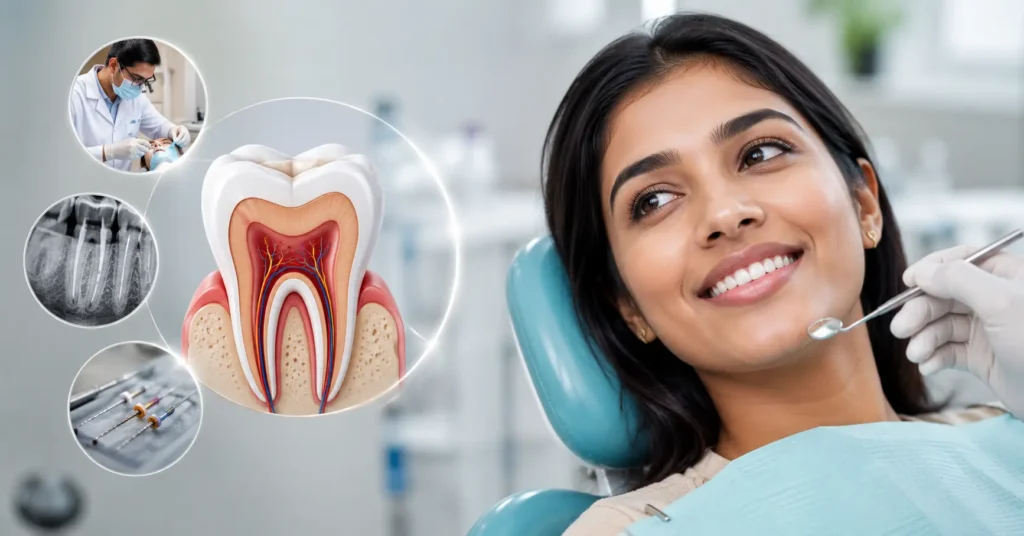
If you have searched for “how to treat dark spots on the face permanently,” what you hear is straightforward. There is no way to remove the dark spots on your skin permanently since pigmentation depends on your type of skin, the cause of dark spots, and sun exposure. However, when combined with proper skin care, the methods that can be performed in clinics (chemical peel, laser toning, and micro-needling) can drastically reduce dark spots and prevent them from appearing once again in your skin in the future. Hyperpigmentation or dark spots are one of the most common problems faced by the residents of Chennai owing to high ultraviolet rays in the environment, increased humidity, and air pollution. Whether you are in Mogappair or any part of Chennai, knowing your type of pigmentation will enable you to resolve it better. What Causes Dark Spots on the Face? Dark spots occur when there is an increase in the production of melanin, which is the skin pigment. There are numerous reasons for the occurrence of dark spots: Age-Related Aging factors: As Indian skin (Fitzpatrick IV-VI) contains more melanin-producing cells than other types of skin, it can lead to the development of post-inflammatory hyperpigmentation after treatment, especially if these treatments are done without medical supervision. That is why ready-made solutions usually don’t satisfy the expectations of those who try them. Can Dark Spots Be Removed Permanently? This is actually the question everyone asks, but the truth is that it is not a black and white issue. Dark spots can definitely be lightened significantly or even removed completely, but in general terms, permanent removal cannot be guaranteed to anyone for various reasons: Some patients may still have the original cause of their pigmentation problems. This means that if they expose themselves to sunlight, undergo hormonal changes, or suffer skin injuries, new pigmentation can appear even after applying the right treatments. Melanocytes may become reactivated. In Indian skin, these melanin-producing cells become stimulated once again due to the influence of UV rays, heat or inflammation even a few years after your successful treatment. Some pigmentation types are difficult to deal with, such as melasma. Melasma is a very persistent type of pigmentation that requires constant treatment and maintenance. Nonetheless, if the proper treatments and the right follow-up care are administered, the results will be clearly visible. What Is the Best Treatment for Pigmentation? No one treatment is universally better than another, depending on what type of skin pigmentation you have, its sensitivity, and the downtime you can afford. Here’s an explanation of the most common methods of facial pigmentation correction used by dermatologists: Chemical Peels: A chemical peel helps in removing the top layer of pigmented skin through exfoliation and making new healthy skin come out. It works great for superficial pigmentation, acne scars and general dull skin, and is performed in a series of procedures carried out at intervals of a few weeks. The strength and formula of peel should be customized for the Indian skin to prevent further pigmentation. Laser and Carbon Laser Treatments (Q-Switch) Q-switched laser therapy involves treatment of the affected spots directly by breaking down the melanin deposits, which get naturally cleared. Carbon laser facials (known as “Hollywood Peel”) involve the use of a combination of carbon and laser beams for exfoliation, tightening of pores, and brightening of the skin in just one session with minimum downtime. However, lasers are used for more difficult and deeper pigmentation issues but must be applied in a medically supervised environment, as improper laser parameters can cause further pigmentation on dark skin. Microneedling (with or without PRP/GFC) Microneedling is a cosmetic procedure whereby thousands of micro-injuries are created on the dermal layer of skin, which helps stimulate the production of collagen and also improves skin tone, acne scars, as well as overall skin texture. It is often combined with PRP (platelet-rich plasma) and GFC (growth factor concentrate). Medical-Grade Topical Treatments A dermatologist may prescribe topical products that are to be used along with in-office treatments in order to prevent further formation of pigmentation on the skin. These topical products are often much stronger and more effective than regular OTC products. HydraFacial / Medifacial HydraFacial is not a primary option for treating pigmentation, but it helps in hydration, skin texture improvement, and skin glow enhancement. Comparison at a glance: 1. Chemical peel – Surface Pigmentation, Dullness, Acne Scars – A few days of mild flaking – Multiple sessions, with intervals of 2-4 weeks 2. Deep or difficult-to-treat pigmentation – None to minimal – Multiple sessions, to be determined by clinician 3. Pigmentation associated with textural issues/scar – 1-2 days of redness – Multiple sessions, with intervals of 4 weeks 4. Maintenance and prevention of new pigmentation – None – Ongoing, as recommended Important Note: It should be noted that the treatment regimen differs from patient to patient and may only be prescribed by a dermatologist after a personal check-up. Does Pigmentation Treatment Work for All Skin Types? Every therapy may not work well on every skin type. This is particularly relevant for Indian skin, that will develop excessive pigmentation in case of over-treatment or wrong use of machines. Your dermatologist must evaluate your Fitzpatrick skin type and pigmentation pattern along with your medical history before prescribing any treatment or set of treatments. Beware of clinics offering a treatment that works universally, as it is rarely the case in dermatology. How Can Hyperpigmentation Be Treated at Home Between Sessions? Home-care compliance maximizes the effectiveness of in-clinic procedures: When Should You See a Skin Specialist for Dark Spots? Proper diagnosis is key, since misdiagnosis can worsen the situation. Pigmentation Treatment in Mogappair Chennai If you are looking for a Pigmentation Treatment in Mogappair or Mogappair West, we offer multiple treatments such as chemical peels, laser therapy, microneedling, or PRP, instead of a one-size-fits-all solution to your problem. Just like other areas in Chennai, people in Mogappair face many triggers that cause pigmentation – sun exposure, humidity, and