
Why Does Hair Fall Increase During the Monsoon in Chennai, and How Can You Control It?
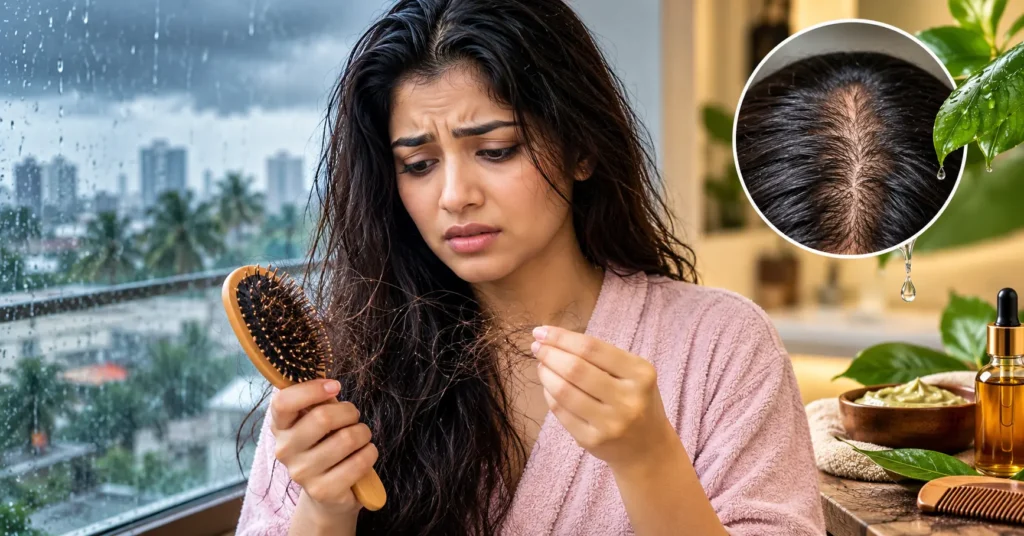
Quick answer: Hair loss becomes more noticeable during the monsoon season as excessive moisture, perspiration, wet hair, and a greasy and flaky scalp make hair weaker and cause irritation to the scalp. However, most of the hair loss that occurs due to the monsoon can be easily controlled with proper scalp maintenance and hair care. Hair loss that is profuse and itchy, along with patches of baldness, lasting two to three months, requires consultation with a dermatologist. Why Chennai’s Monsoon Hits Your Hair Differently For most places in India, the southwest monsoon season is the period during which the greatest rainfall takes place. However, Chennai is an exception to the rule; whereas the southwest monsoon season is relatively weak in Chennai, the rainfall that occurs during the northeast monsoon season from October to December is the greatest for the whole year. Taking into account that Chennai has humid coastal weather conditions and the fact that the hair fall season in Chennai begins in the fourth quarter of the year, one can only imagine how uncomfortable it is for the scalp to feel wet throughout the day. What Actually Causes Monsoon Hair Fall? According to dermatologists, the factors responsible for monsoon hair fall include many different elements. These elements may include humidity, perspiration, oily scalp, wet hair, outbreaks of dandruff, and weak hair shafts. 1. Humidity and an oily scalp High humidity in the monsoon results in increased sebum secretion. The excessive sebum combined with sweat and dirt leads to blockage of pores on the scalp. This results in limpness of hair and difficulty in managing it. 2. Dandruff and fungal infections An always-wet scalp is the perfect breeding ground for yeasts and fungi. Excessive moisture in the scalp results in fungal infections, which cause weakening of hair roots and increased hair fall. This is followed by itching, resulting in hair breakage due to scratching. 3. Breakage, not just root shedding Moisture makes hair fragile. It absorbs moisture from the environment that results in frizziness and breakage. The moisture needs time to evaporate from the hair. Most of the ‘excessive’ hair that falls on your comb during monsoons is actually broken hair and not hair that was shed from the roots. 4. Tying, covering, or combing wet hair Using caps or hoodies on moist hair weakens the hair strands. Using tight buns and aggressive combing in wet hair also causes breakage. 5. The monsoon doesn’t create hair loss on its own It is important to note this point here. Humidity, excessive oil, sweat, and infections in the scalp lead to increased shedding of hair, but the monsoon does not cause hair fall suddenly. In case you already have pattern baldness, thyroid problems, anaemia, or hair fall after some illness or stress, monsoon can simply make the problem more visible. Many blogs have been attributing the problem to lack of sunlight and vitamin D. While it might have an effect in some cases of hair fall, reduced sunlight in monsoon should not automatically be attributed to hair fall. Take tests before consuming any supplements. Is Monsoon Hair Fall Normal? The average person sheds about 50-100 hairs a day, and this is perfectly normal. Shedding, which is slightly increased during the rainy season and ends in about a month, is generally not a problem. But not all rainy season hair fall is because of the season. Loss of hair in patches, an infected scalp, itching, pus formation, excessive hair fall, widened parting, and hair fall that lasts more than two to three months need to be checked by a dermatologist. How to Control Hair Fall During the Monsoon: A Practical Routine Keep the scalp clean, not stripped. Keep your hair clean by washing it with mild shampoo more frequently if your scalp is oily and sweats a lot. In case of dandruff problems, consult your dermatologist regarding an anti-dandruff shampoo rather than trying new shampoos yourself. Dry your hair properly. In case of getting wet by rain, rinse your hair with water after reaching home and dry it completely. Never go to bed with wet hair. Make sure to use soft cotton towels and gently pat rather than scrub your hair. If you use a dryer, use cool or medium settings. Go easy on oiling Excessive oiling of the scalp during humid weather may increase your problem of dandruff and greasiness. If you apply oil, do it in moderation and remove it after some time. Comb gently Allow your hair to dry out first before brushing, and use a wide-toothed comb. Choose loose styles Stay away from tight ponytails, buns, or helmets on wet hair. Allow your hair to dry out before making it into a style. Support hair from the inside. Have adequate intake of proteins, iron, fruits and vegetables, and water even in cold weather conditions. Stay away from extreme diets in this season. Don’t start new treatments without advice. Stay away from chemical processes such as dyeing and strong homemade remedies in case of a flare-up during monsoon. When Should You See a Dermatologist in Mogappair? If any of these are happening, schedule a consultation: The dermatologist will then assess your scalp condition and whether there is any infection present, and also advise you to take a blood test if required. They will then be able to provide you with the treatment depending on the real problem; for example, medicated shampoo, antifungal, nutritional treatment, etc. Frequently Asked Questions (FAQ) Q1:Why does hair fall more in the rainy season?High humidity, sweating, and damp hair contribute to greasy hair, increasing the chances of dandruff and fungal infections. Wet hair becomes weaker and more likely to break, so you end up with more hair in your comb. Q2:How long does monsoon hair fall last?In most cases, mild hair fall during this season may improve after a few weeks since the climate and scalp will have settled. Hair fall that persists after two to three months requires medical attention. Q3:Can rainwater cause hair